Wisdom Teeth Removal Guide: Procedure, Common Issues & Recovery Tips
At Kraja and Sidhu Dental in Silver Spring, we understand that wisdom teeth can be a source of concern for many.
In fact, 20 million wisdom teeth are removed across USA yearly, making it one of the most common dental services.
Wisdom teeth can often lead to complications if not properly managed, which means that you may need to remove them.
Our blog will cover what wisdom teeth are, common issues, the extraction process, and recovery tips to ensure you have all the information you need for a healthier smile.
Understanding Wisdom Teeth a.k.a. Third Mollars
Wisdom teeth are the last set of molars that typically emerge between the ages of 17 and 25 – they are also called third molars. These teeth are located at the back of the mouth. They typically begin to emerge during late adolescence or early adulthood. The exact timing can vary from person to person.
Historical Significance of the Term “Wisdom teeth”
Third molars are often referred to as “wisdom teeth” because they typically appear during a person’s late teens or early twenties, a time when they are considered to have gained some wisdom. Interestingly, about5% to 37% of people don’t develop wisdom teethat all nowadays. These teeth were useful for our ancestors who had larger jaws and needed to grind down plant tissue. However, modern diets and smaller jaws often make wisdom teeth unnecessary and problematic.
Potential Issues with Wisdom Teeth (& How to Fix Them)
Teeth Impaction
One of the most common issues with wisdom teeth is impaction. This occurs when there isn’t enough room in the mouth for these additional molars to emerge properly. Impacted wisdom teeth can be painful and lead to various dental problems. Research published in the Journal of Oral and Maxillofacial Surgery discusses the prevalence of impaction and its potential complications.
Suggested Service: Wisdom Teeth Removal
Impacted wisdom teeth can lead to pain, swelling, and infection. Removing impacted wisdom teeth helps prevent these complications. The procedure involves careful extraction to alleviate discomfort and prevent further dental issues.
Infection and Gum Disease
Wisdom teeth can be challenging to clean due to their location at the back of the mouth. This can make them susceptible to infection and gum disease. Regular dental check-ups are crucial for monitoring the health of these molars.
Suggested Service: Teeth Cleanings
Partially erupted wisdom teeth can create a flap of gum tissue that traps food and bacteria, leading to infections. In this case – professional dental cleaning is your answer. This Periodontal treatment removes plaque and bacteria, promoting gum health and preventing infections.
Teeth Crowding
Wisdom teeth can exert pressure on the adjacent teeth, potentially causing misalignment or crowding. A study in the American Journal of Orthodontics and Dentofacial Orthopedics explores the relationship between wisdom teeth and crowding.
Suggested Service: Clear Aligners or braces
Misaligned wisdom teeth can crowd or damage adjacent teeth, causing bite problems. Orthodontic treatments, such as clear aligners, can correct misalignment and ensure proper dental structure, improving overall oral health.
Potential Post-Wisdom Tooth Surgery Complications
While wisdom teeth removal is a common procedure, it’s important to be aware of potential complications to ensure a smooth recovery. Understanding these risks can help you take the necessary precautions and know when to seek professional advice.
Dry Socket: One of the most common complications is dry socket, which occurs when the blood clot at the extraction site is dislodged, exposing nerves and bone. This can lead to severe pain and delayed healing.
Infection: Infections can occur at the extraction site, presenting symptoms such as fever, severe pain, and pus discharge. If you notice any of these signs, it’s crucial to contact your dentist immediately for treatment.
The Wisdom Teeth Removal Process
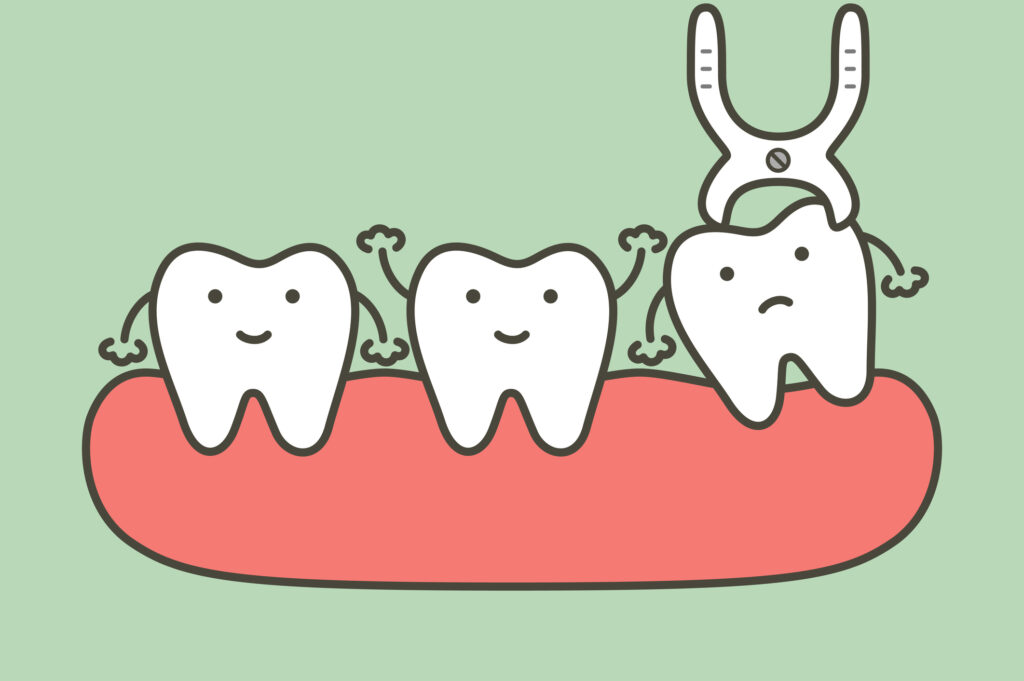
If you want your wisdom teeth procedure to go smoothly, you should follow your dentist’s aftercare instructions carefully, and have a good understanding of the steps involved in the process.
Here’s a breakdown to make things easier:
Dental Consultation
Before wisdom teeth removal, your dentist will take dental X-rays to assess the position of your wisdom teeth. This step is crucial for planning the safest and most effective extraction strategy.
Pre-Removal Anesthesia
You may receive local anesthesia to numb the area, or general anesthesia if multiple teeth are being removed.
Tooth Extraction Procedure
Depending on whether the teeth are impacted, the procedure might involve a simple extraction or wisdom teeth surgery where the dentist will make a small incision in your gum to remove the affected tooth.
Wisdom Teeth Removal – Recovery Tips
Post-surgery, you might experience swelling and discomfort, which can be managed with pain relief medication and cold compresses. Recovery time varies but typically ranges from a few days to a week.
Diet Tips:
Stick to soft foods and avoid using straws to prevent dislodging blood clots. Foods like yogurt, applesauce, and mashed potatoes are ideal.
Keep Your Oral Hygiene in Order:
Gently rinse your mouth with salt water to keep the area clean, but avoid vigorous spitting. Learn more about oral hygiene tips here.
Get a Plenty of Rest:
Give yourself time to rest and avoid strenuous activities for a few days. Elevating your head while resting can help reduce swelling.
Cost of Wisdom Teeth Removal
Understanding the costs associated with wisdom teeth removal can help you plan for this common procedure. The expense can vary based on several factors, but knowing the average costs and insurance coverage can ease financial concerns.
Typical Costs in Maryland: The cost of wisdom teeth removal generally ranges from $300 to $800 per tooth, depending on the complexity of the extraction and the type of anesthesia used. More complicated cases, such as impacted teeth, may fall on the higher end of the spectrum.
Insurance coverage for wisdom tooth removal: Many dental insurance plans cover between 50 to 80% of the wisdom teeth removal procedure. It’s important to understand your dental insurance plan’s coverage.
If you have any concerns or questions regarding your insurance – don’t hesitate to reach out to our dedicated insurance advisor for personalized advice and care.