Ultrasonic vs. Manual Dental Cleaning: Which Is Right for You?
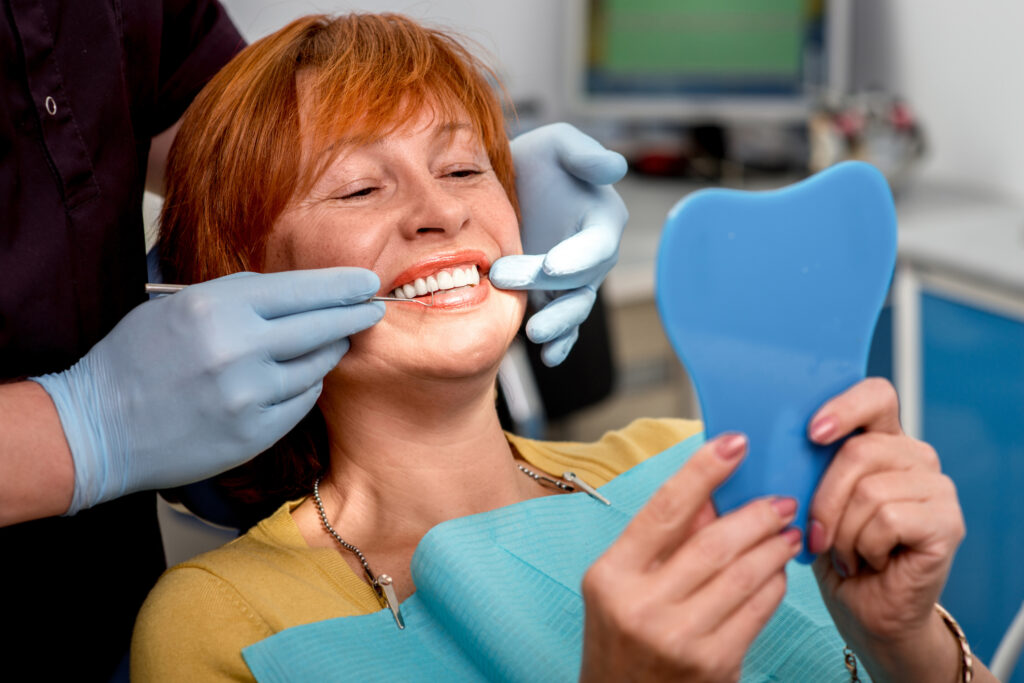
Picture this: you’re sitting in the dental chair, ready for routine dental cleaning. You notice two devices that the doctor is using – one has a buzzing sound, and the other one is a metal hand tool. You’re probably wondering, “Why does my hygienist sometimes use manual tools instead of supersonic cleaners?”
The truth is – both ultrasonic and manual cleaning are potent ways to keep your teeth clean, but they work differently and are used for separate purposes. Whether you’re dealing with stubborn tartar or maintaining a clean smile, knowing the differences between these methods can help you choose what’s best for your oral health.
My name is Dr. Randeep Sidhu. In this guide, I’ll explain the key differences between ultrasonic and manual dental cleaning, giving you insights into how each method works, what to expect, and how to choose the best teeth-cleaning option for your unique needs.
Ultrasonic vs. Manual Dental Cleaning: Quick Breakdown with Benefits
Did you know that in the U.S., about 64% of adults visit their dentist at least once a year for a professional cleaning? This procedure prevents gum disease, tooth decay, and even severe conditions like heart disease and diabetes.
There are two main methods of keeping teeth clean: ultrasonic cleaning and manual cleaning.
Both are highly effective but serve different purposes. So, which one’s right for your needs?
Let’s dive into a quick comparison to help you decide:
- Ultrasonic Cleaning: Imagine a high-powered pressure washer for your teeth. This method uses sound waves to break up tartar and plaque while a water spray washes it away. It’s fast, efficient, and perfect for deeper cleanings, especially if you have gum disease or heavy buildup.
- Speed: Ultrasonic cleaning is quicker, getting you in and out of the chair faster.
- Comfort: It’s a gentler option for sensitive teeth or patients with clear alginers.
- Effectiveness: Ideal for targeting stubborn tartar in hard-to-reach spots below the gumline.
- Manual Cleaning: Consider manual cleaning like a sculptor’s hand – careful, precise, and detailed. Using traditional tools like scalers and curettes, your hygienist can feel every surface of your teeth, ensuring nothing is missed.
- Precision: Manual cleaning allows for detailed work, giving your hygienist complete control.
- Control: Best for routine cleanings or patients with light plaque buildup. Routine cleanings are just one aspect of preventive care. Comprehensive preventive dentistry can also help protect you from dental issues before they arise.
Time-Tested: A reliable technique that has stood the test of time, ensuring your teeth are thoroughly cleaned.
Pro Tip from Dr. Sidhu
Ultrasonic cleaning is fantastic for a quick, deep clean, while manual cleaning lets us focus on the finer details. Both methods work together to give you the most thorough cleaning possible, which is why dental professionals use both approaches during prophylaxis appointments.
schedule a dental cleaningManual Dental Cleaning: The Art of Precision
Using hand tools like scalers and curettes, your hygienist meticulously removes plaque and tartar from the surfaces of your teeth, ensuring they are smooth and polished. While ultrasonic cleaning might feel like a high-tech power wash, manual cleaning focuses on the fine details.
Why Opt for Manual Cleaning?
Manual cleaning shines in routine dental visits, offering precision that is perfect for patients with minimal tartar buildup. It allows the hygienist to physically feel and assess each tooth, providing tactile feedback that helps thoroughly clean your teeth. This method benefits patients with areas needing more focused attention or those with good oral hygiene needing a touch-up.
- Precision in Every Stroke: Manual dental cleaning is like having a skilled artist at work on your teeth – each stroke of the tool is purposeful and precise. It’s ideal for patients who are diligent with their daily oral care.
- Decades of Dependability: Despite the advancement of ultrasonic technology, manual cleaning has remained a trusted method due to its effectiveness. While ultrasonic machines need to be regularly maintained and can break – manual tools will never face this fate.
Ultrasonic Dental Cleaning: The High-Tech Approach to a Healthier Smile
Ultrasonic dental cleaning is all about efficiency and advanced technology. Instead of relying on the steady hand of your hygienist, this method uses high-frequency sound waves to shatter stubborn tartar and plaque. As the sound waves break apart the buildup, a continuous water spray washes away the debris, leaving your teeth feeling clean and smooth.
It’s like using the latest gadget for your dental cleaning routine – quick, effective, and especially beneficial for those with significant plaque or gum disease.
Why Choose Ultrasonic Cleaning?
Ultrasonic cleaning is a game-changer for deep cleanings. It’s fast and thorough and can target areas that manual tools might struggle to reach, such as deep gum pockets or between tightly spaced teeth. This is the solution if you’ve ever had a buildup that feels impossible to remove with regular brushing and flossing. It’s also beneficial for patients with sensitive teeth, as it can minimize the scraping sensation of manual tools.
- Advanced Efficiency: Ultrasonic cleaning can be faster, covering more ground in less time while thoroughly removing buildup.
- Deeper Reach: This method is ideal for cleaning below the gum line, where tartar often hides, leading to gum disease.
- Gentler on Sensitive Teeth: If traditional scraping makes you cringe, the vibrations of the ultrasonic tool offer a gentler alternative.
Pro Tip from Dr. Sidhu
Ultrasonic cleaning is your best option if you are dealing with gum disease or haven’t cleaned in a while. But in cases where more extensive treatment is needed due to decay or damage, restorative dentistry can help rebuild and restore your smile. Learn more about various restorative treatments, their costs, and benefits here.
Read the restorative dentistry guideUltrasonic vs. Manual Dental Cleaning: A Comprehensive Comparison with Pros and Cons
When deciding between ultrasonic and manual dental cleaning, it’s not about choosing one method over the other – it’s about understanding how both work together. The best dentists use a combination of both approaches to ensure your teeth and gums are left in pristine condition. Let’s break down the benefits and drawbacks of each approach and why a mix of both is often the gold standard:| Feature | Ultrasonic Cleaning | Manual Cleaning |
|---|---|---|
| Effectiveness | Best for deep cleaning, heavy tartar, gum disease. Reaches deep pockets & hard-to-access areas. | Excellent for routine maintenance. Hygienists feel plaque/tartar for detailed cleaning. |
| Speed | Faster, covers more ground in less time. | Slower, but very thorough. |
| Comfort | Gentler for sensitive teeth. Less scraping due to vibrations. | May cause discomfort, especially with sensitive gums. |
| Suitability | Ideal for moderate to severe buildup or infrequent cleanings. | Best for patients with good hygiene needing routine cleanings. |
| Noise | Can be noisy due to high-frequency vibrations. | Quiet with light scraping. |
| Gum Health | Very effective at removing tartar below gumline. | Thorough but may not reach deep pockets as well. |
| Pros |
– Fast & efficient – Great for deep cleaning & gum disease – Comfortable for sensitive teeth – Reaches deeper gum pockets |
– Provides tactile feedback – Perfect for routine maintenance – Quiet & relaxing – Highly precise & time-tested |
| Cons |
– Noisy for some patients – Vibration sensitivity can be an issue – May miss fine details |
– Takes longer – Can be uncomfortable for sensitive gums – Not ideal for deep cleaning needs |
Which Method Should You Choose?
The truth is that comprehensive dental cleaning involves using both ultrasonic and manual methods. By starting with ultrasonic tools, your hygienist can break down large deposits of tartar and reach deep pockets that are difficult to access with manual tools alone. Following up with manual cleaning allows for fine-tuned, detailed work to ensure every surface of your teeth is polished and plaque-free.Why Use Both Methods?
- Ultrasonic cleaning excels at quickly and effectively clearing large amounts of tartar and plaque significantly below the gumline. This is ideal for patients who haven’t had a cleaning in a while or are dealing with gum disease.
- Manual cleaning, on the other hand, gives your hygienist the ability to feel and scrape away any remaining plaque, ensuring your teeth are smooth and clean down to the last detail.
And remember – maintaining oral health isn’t just about cleanings. Did you know that a balanced diet can significantly improve your dental health? Learn more about the best foods for a healthier smile and what to avoid here.
Pros and Cons Breakdown
Let’s take a closer look at the advantages and disadvantages of each method:
Ultrasonic Cleaning: Pros
- Speed and Efficiency: Covers larger areas quickly, making it great for deep cleanings.
- Effective for Gum Disease: Ultrasonic tools can access deep pockets below the gumline.
- Gentle on Sensitive Teeth: The vibrations are less abrasive than manual scraping, providing a more comfortable experience for many patients.
Ultrasonic Cleaning: Cons
- Noise: The buzzing sound can be bothersome for some patients.
- Less Detail: While effective for removing larger tartar deposits, ultrasonic cleaning may miss the fine details that manual cleaning addresses.
Manual Cleaning: Pros
- Precision: Hygienists can feel the buildup and ensure every surface of your teeth is thoroughly cleaned.
- Ideal for Routine Maintenance: Great for patients who keep up with regular dental visits and don’t have significant tartar buildup.
- Quiet: Manual cleaning provides a calm and peaceful experience without the noise of ultrasonic tools.
Manual Cleaning: Cons
- Longer Process: Manual cleaning takes longer, especially for patients with significant plaque buildup.
- Possible Discomfort: The scraping sensation can be uncomfortable for those with sensitive gums.
How Long Does a Manual and Ultrasonic Cleaning Take?
A thorough cleaning session with a skilled dentist takes one to two hours, especially when combining ultrasonic and manual methods. This extended time ensures that the cleaning is not only painless but also leaves your teeth in the best possible condition.
Professional Dental Cleanings in Maryland are Just a Step Away
At Kraja and Sidhu Dental, we use both ultrasonic and manual tools for deep cleanings.
Whether you’re overdue for a cleaning or simply maintaining your oral hygiene routine, we have the expertise to make your smile shine.
Our prices for professional dental cleaning range between $200 and $400. We offer thorough care that leaves your teeth sparkling clean and gums healthier than ever. As part of our dental membership plan, we also offer 2 complimentary dental cleanings.
Ready to Invest in Your Health and Smile?
Your next-level clean is just a click away. Whether you need a deep clean or a routine polish, we’ve got you covered. Fill out the form on the right for a dental consultation and experience a cleaning like never before.