Navigating the complexities of dental insurance can often feel like deciphering a foreign language, especially when you’re already dealing with the stress of maintaining your dental health.
We’ve had countless conversations with patients who need clarification on their dental insurance coverage, are unsure about what procedures are included, and are frustrated by the bureaucracy.
In this guide, we’ll cover everything from the basics of dental insurance to how it differs from medical insurance with illustrative examples. We’ll also look at the different types of dental insurance plans available and help you pick the best option.
Here’s a complete outline of everything we are going to cover (feel free to jump to the most relevant section by clicking on each heading):
Pro Tip from Dr. Sidhu
Always review your dental insurance plan’s details, including the reimbursement rates and annual maximums. Understanding these can help you plan dental care and avoid unexpected expenses.
Talk to our Insurnace AdvisorImagine you need a root canal treatment – an ordinary and necessary dental procedure. The total cost of a root canal is $1,000. If your dental insurance covers 50% of the price, you would pay $500 out of pocket, and your insurance would cover the remaining $500, provided you have yet to hit your annual maximum benefit.
In contrast, medical insurance for a similar necessary procedure might cover 80% or more and will cap your out of pocket maximums for a year.
In simple terms, medical insurance caps your out of pocket expenses whereas dental insurance has a cap on annual benefits.
Why is this? One of the main reasons comes down to regulations – dental plans simply aren’t as well regulated as medical plans and more importantly serve a different purpose than medical plans do.
Dental insurance has evolved over the years, but one thing that has remained relatively constant is the reimbursement rate for dental procedures. According to PubMedCentral, the average reimbursement rate for dental procedures has historically been only around 50% for Medicaid patients.
This means that while dental care costs have increased with inflation and advancements in dental technology, the amount insurance companies reimburse has stagnated over the past 40 years. This stagnant reimbursement rate can be frustrating for both patients and dental practitioners.
This leads us to the next point – picking the best coverage plan to meet your needs.
Let’s explore the three main types of dental insurance plans – PPO, HMO, and Indemnity – keeping in mind that quality, price, and service must be balanced to ensure the best outcomes for your oral health.
Definition: PPO plans allow you to visit thousands of dentists all across the USA who are all part of the same network. They provide unmatched flexibility in choosing your dentist and are the most popular option (in fact – 82% of all dental insurance plans in the USA are PPO Plans)
How It Works: With a PPO plan, you can choose any dentist, in-network or out-of-network. However, you’ll save more by choosing an in-network provider because they have already agreed to discounted rates with your insurance company. However, it’s important to understand that discounted rates come at the expense of quality and service.
Pros:
Cons:
Pro Tip from Dr. Sidhu
If you value flexibility and want the freedom to choose your dentist, a PPO plan might be the best option.
Talk to our Insurnace AdvisorDefinition: HMO plans are known for cost-effectiveness but have more restrictions than PPO plans. They require you to choose a primary care dentist from their network and stick to that dentist for the duration of your plan. They are a less popular but more cost-effective option, with around 8-10% of patients using HMO plans.
How It Works: HMO plans require choosing a primary care dentist within their network. You’ll need a referral from your primary GP to see a specialist. Such plans limit your choices, but they also help keep the costs down to a minimum.
Example: John has an HMO plan. He must visit Dr. Lee, his primary care dentist, for a referral before seeing an orthodontist for his braces.
Pros:
Cons:
Pro Tip from Dr. Sidhu
HMO plans offer affordability and a smaller provider network. Understanding the specialist referral process is key. With these types of plans, you will typically get what you pay for which is lower service and at best average care
Talk to our Insurnace AdvisorDefinition: Indemnity plans, or fee-for-service plans, offer the most freedom but are typically the most expensive option. They allow you to visit any dentist without worrying about their networks. They are considered a “premium” option for people who value flexibility over costs, and only around 6% of insured USA patients use Fee-for-Service plans.
How It Works: You pay the dentist directly and then submit a claim to your insurance company for reimbursement. The reimbursement is typically based on a percentage of your area’s “usual and customary” charges.
Pros:
Cons:
Pro Tip from Dr. Sidhu
Indemnity plans are ideal if you want complete freedom in choosing your dentist and don’t mind paying higher premiums for that flexibility. Be sure to understand the reimbursement process and keep track of your expenses.
Talk to our Insurnace AdvisorWe do not blindly endorse any specific type of insurance over the other. Instead, we want you to understand that any dental insurance can provide valuable capped benefits when used effectively. The important thing to remember is that dental insurance is fundamentally meant to provide a cost offset and not limit your out of pocket like medical insurance typically does.
Just as you wouldn’t choose the most cost-effective cardiologist for a heart procedure without considering quality, the cheapest dental option may not align with the highest quality of care. Therefore, it is crucial to understand these dynamics and make informed choices. Selecting the right dental insurance plan depends on your needs, preferences, and budget.
Here are a few factors to consider:
By understanding the differences between PPO, HMO, and Indemnity plans, you can make an informed decision that best suits your dental health needs.
At Kraja and Sidhu Dental, we have an on-site insurance advisor who will help you navigate these options and ensure you receive the best possible care.
If you have any questions or need personalized advice – give us a ring for a consultation.
Pro Tip from Dr. Sidhu
When choosing a dental insurance plan, it’s essential to weigh the cost against the benefits and consider how often you need dental care. A PPO plan might offer most patients the best balance of cost and flexibility.
Talk to our Insurnace AdvisorWe’ve listened to our patients’ concerns and frustrations about their dental insurance experiences. Understanding these pain points can help you navigate financial information more effectively and make informed decisions about your oral health.
Here are some of the most common issues and how to address them:
Many patients need clarification about what their dental insurance covers, which can lead to surprises when receiving their bills. Understanding the differences between preventive, primary, and major procedures is essential in determining whether you need a dental plan.
Here’s how these usually differ:
Pro Tip from Dr. Sidhu
Always review your policy details and talk to your dental provider to understand the covered services. Preventive care is often covered more than other procedures, making it a valuable part of your dental health plan.
Talk to our Insurnace AdvisorMany patients need help to plan for out-of-pocket expenses. Most dental work that isn’t routine will carry with it significant out of pocket costs.
Planning for out-of-pocket costs can be one of the most challenging aspects of navigating dental insurance. Here are some key points to consider:
Pro Tip from Dr. Sidhu
Knowing your insurance plan inside out can help you avoid unexpected costs. Always ask for a cost estimate before treatments and keep track of your annual maximum benefits to plan your dental care efficiently."
Talk to our Insurnace AdvisorAccording to the recent HPI poll, 60% of dentists reported that dental insurance reimbursement rates have remained stagnant in recent years. This means that while dental care costs have increased, the amount of insurance reimbursement has not kept the same pace, leading to higher out-of-pocket expenses for patients.
There are two things you need to keep in mind when planning your dental procedures to avoid surprises:
Dental insurance often has an annual maximum benefit limit, which can be frustrating if you need extensive care. Understanding how to maximize these benefits is crucial. Here are some tips on how to make the most out of your plan:
Pro Tip from Dr. Sidhu
Schedule high-cost treatments early in the year to maximize your annual benefits usage rates. And don’t forget to use your preventive services – they’re usually covered at a higher rate and can save you money in the long run
Talk to our Insurnace AdvisorUnderstanding and addressing these common pain points allows you to navigate your dental insurance more effectively.
At Kraja and Sidhu Dental, we’re committed to helping you make informed decisions about your dental care. If you have any questions or need personalized advice, don’t hesitate to contact us. We’re here to ensure you receive the best possible care and maximize your dental insurance benefits.
When it comes to dental insurance, one of the biggest questions on many patients’ minds is, “Is it worth it?” Understanding how to evaluate the value of your dental insurance can help you make more informed decisions about your coverage and overall dental care.
One effective way to evaluate the value of your dental insurance is by comparing the premiums you pay to the cost of preventive services. Here’s how you can assess whether your insurance is cost-effective:
Example Calculation #1 :
Example Calculation #2
Let’s look at a real-life example of a dental patient (Jane) to illustrate how to calculate the value of your dental insurance:
Pro Tip from Dr. Sidhu
Review your dental insurance plan annually to ensure it still meets your needs and offers good value. Don’t forget to factor in both the premiums and the out-of-pocket expenses on services not covered at 100%.
Talk to our Insurnace AdvisorManaging dental insurance bureaucracy isn’t just challenging for patients. This process impacts dental practices significantly as well. The administrative burden of dealing with insurance companies can increase overhead costs.
Let’s delve deeper into how these administrative tasks financially (and mentally) affect patients and dental practices.
The administrative burden can sometimes hinder the level of personalized care you receive. When dental staff spend more time on paperwork, they have less time to focus on providing quality care. This can lead to longer wait times and less personalized attention during your visits.
Here are three ways in which patients get affected by administrative burden:
While dental insurance might not cover all your dental expenses, it can still be a valuable cost-offsetting tool, particularly for routine and preventive care. By covering regular check-ups and cleanings, dental insurance helps maintain your oral health and prevent more serious issues from developing.
Dental insurance helps mitigate the risk of larger, more expensive issues developing by offsetting the costs of regular maintenance and minor treatments. This proactive approach can save you money in the long run.
At Kraja and Sidhu Dental, we understand that navigating dental insurance can be confusing and sometimes frustrating. Our goal is to help you understand your options and ensure you make the best decisions for your oral health.
If dental insurance isn’t meeting your needs, or you’re looking for a cost-effective alternative, consider our dental membership plan. It is specifically designed for our Silver Spring patients, offering comprehensive coverage and significant savings without the complexities of traditional insurance.
Don’t hesitate to reach out if for personalized advice on planning your dental care insurance.
Warm regards,
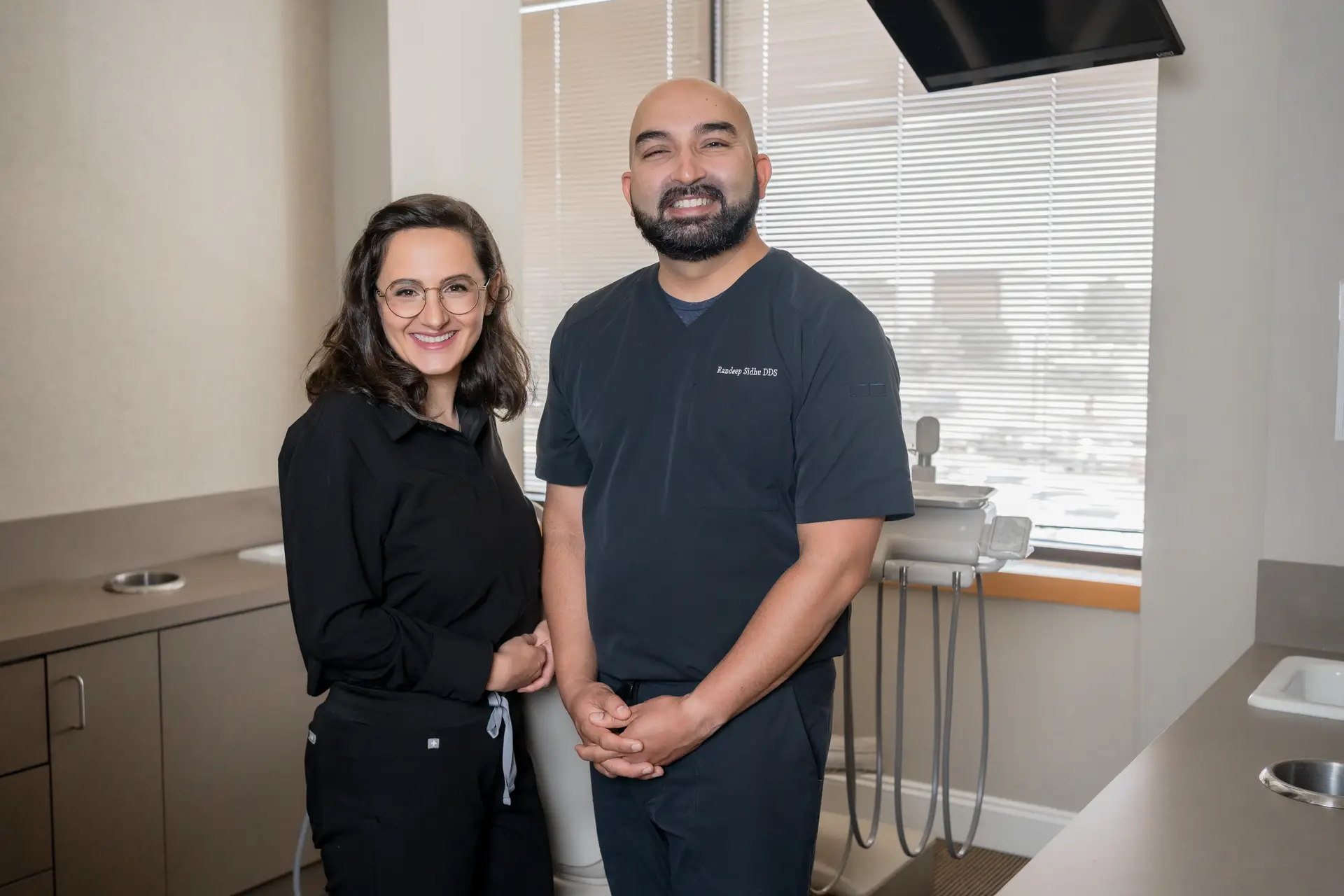
Dr. Randeep Sidhu
Kraja and Sidhu Dental