Porcelain Veneers Guide: Types, Benefits, and Costs Explained
Picture this: You’re about to greet someone for the first time, and your smile is the first thing they notice. A bright, confident smile can make all the difference. At Kraja and Sidhu Dental, we believe everyone deserves to feel proud of their smile, which is why we offer porcelain veneers – a simple, yet transformative solution for chipped, stained, or misaligned teeth.
In this guide, we’ll cover everything you need to know about porcelain veneers, from their types and benefits to the procedure and costs involved. Whether you’re considering veneers for cosmetic improvements or to correct dental imperfections, this comprehensive guide will provide valuable insights and expert tips directly from Dr. Sidhu.
Pro Tip from Dr. Sidhu
Porcelain veneers are a versatile solution for those looking to improve their smile without the need for extensive dental procedures. They are far less invasive than alternative solutions like dental crowns or implants.
check out our veneersChoosing The Right Type of Veneers for Your Needs
With a consistent 7-8% annual growth in market size, porcelain veneers became a popular choice for their natural look and durability.
But not all veneers are made the same – it’s important to understand the other types available to find the best fit for your needs.
Here’s a closer look at the three main types of veneers: Porcelain Veneers, Composite Veneers, and Minimal Prep Veneers:
Type | Material | Durability | Appearance | Cost | Invasiveness |
Porcelain Veneers | High-quality Porcelain | 10-20 years | Highly natural | $$$$ | Moderate |
Composite Veneers | Tooth-colored Resin | 5-7 years | Natural, but less so than porcelain | $$ | Low |
Minimal Prep Veneers | Ultra-thin Porcelain | 10-20 years | Natural | $$$ | Very low |
Porcelain Veneers – Unmatched Aesthetics
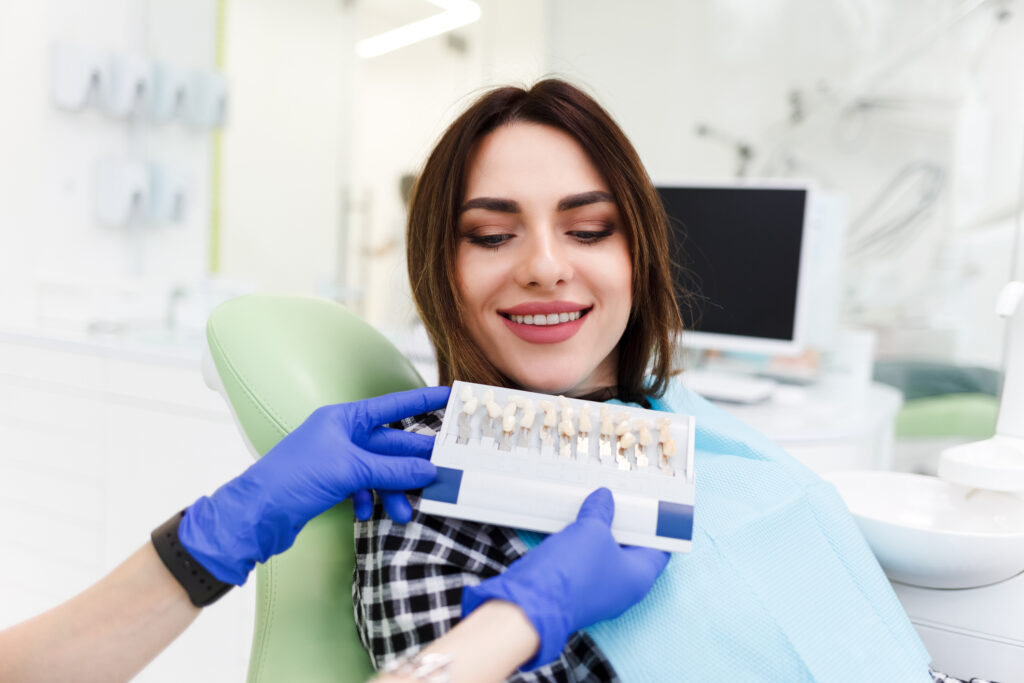
Porcelain veneers are the gold standard for a natural-looking and long-lasting smile makeover. These veneers are crafted from a high-quality ceramic material that mimics the translucence and feel of natural tooth enamel. Each porcelain veneer is custom-made to fit your teeth perfectly, providing a seamless, beautiful appearance.
- Pros:
- Natural Appearance: Porcelain closely resembles natural teeth, offering a luminous and lifelike smile.
- Durability: Porcelain veneers have a survival rate of 91% in 20 years, making them a reliable long-term option.
- Stain Resistance: Unlike natural teeth, porcelain veneers resist stains from coffee, tea, and other foods.
- Cons:
- Higher Cost: Porcelain veneers are generally more expensive than other options due to the quality of the material and the custom crafting involved.
- Multiple Visits Required: The process usually requires two or more dental visits for preparation, fitting, and bonding.
- Pricing in Maryland: ranges from $1,000 to $2,500 per tooth.
Composite Veneers – Budget-Friendly Option
Composite veneers are an economical and quicker alternative to porcelain veneers. Made from a tooth-colored resin, these veneers are applied directly to the tooth surface and sculpted to the desired shape. Composite veneers are often chosen for their affordability and the speed at which they can be applied.
- Pros:
- Cost-Effective: Composite veneers are typically less expensive than porcelain, making them a good choice for those on a budget.
- Quick Application: The process can often be completed in a single visit, providing immediate results.
- Easy Repairs: If a composite veneer is chipped or damaged, it can be repaired quickly without needing to replace the entire veneer.
- Cons:
- Less Durable: Composite veneers are more prone to chipping and may need to be replaced every 5 to 7 years.
- Staining: Composite material is more susceptible to staining over time, especially if exposed to coffee, tea, or tobacco.
- Pricing in Maryland: Cheaper than porcelain. Prices range from $250 to $1,500 per tooth
Minimal Prep Veneers – Minimal Invasion
- Pros:
- Minimally Invasive: With minimal prep veneers, there’s little to no removal of natural tooth enamel, preserving the integrity of your teeth.
- Quick and Comfortable: The application process is typically quicker and more comfortable, often requiring fewer visits and less anesthesia.
- Reversible Option: In many cases, minimal prep veneers can be removed if needed, making them a more flexible option for patients.
- Cost: Sightly cheaper than porcelain veneers due to lower prep time and less material used.
- Cons:
- Not Suitable for All Cases: These veneers may not be the best choice for individuals with significant discoloration, misalignment, or decaying teeth as they might not provide enough coverage.
- Potential Bulkiness: Because they are so thin and placed over the natural tooth, some patients might find that minimal prep veneers add slight bulk to their teeth.
- Pricing in Maryland: Cheaper than porcelain due to less material used. Price difference has to be calculated case-by-case
Pro Tip from Dr. Sidhu
Choosing the right type of veneer is all about balancing your aesthetic goals with your oral health needs. While porcelain veneers offer a superior natural look and durability, minimal prep veneers are a great option for those seeking a less invasive solution.
check out our veneersPorcelain Veneers vs. Other Dental Options
When it comes to enhancing your smile, porcelain veneers are just one of many options. While they offer incredible benefits, it’s important to compare them with other popular cosmetic dental treatments to determine which is the best fit for your needs.
Here’s a look at how porcelain veneers stack up against teeth whitening and dental bonding:
Type of Procedure | Purpose | Average Cost | Longevity | Pros | Cons |
Porcelain Veneers | To enhance the appearance of teeth by covering imperfections like discoloration, chips, and minor misalignment | $900-$2,500 per tooth | 10-15 years | Natural look, durable, stain-resistant, versatile | Higher cost, irreversible |
Teeth Whitening | To lighten the color of teeth for a brighter smile | $300-$800 | 6 months to 3 years | Quick results, non-invasive, affordable | Temporary, limited impact on shape/alignment |
Dental Bonding | To repair minor chips, cracks, or discoloration with a tooth-colored resin | $200-$600 per tooth | 3-7 years | Affordable, quick, reversible | Less durable, prone to stains |
Veneers Vs. Teeth Whitening
Teeth whitening is a popular non-invasive cosmetic procedure that lightens the color of your teeth using bleaching agents. It’s a quick and affordable way to enhance your smile.
- Pros:
- Quick Results: Professional whitening treatments can show results in just one session.
- Non-Invasive: No changes to the tooth structure are required.
- Affordable: Whitening is generally less expensive than veneers.
- Cons:
- Temporary: Results are not permanent and may last from a few months to a few years, depending on lifestyle habits.
- Limited Impact: Whitening can’t change the shape or alignment of teeth and may not be effective for severe discoloration.
Veneers vs. Dental Bonding
Dental bonding involves applying a tooth-colored resin material to repair minor chips, cracks, or discoloration. It’s a quick and cost-effective alternative to veneers.
- Pros:
- Affordable: Bonding is typically less costly than veneers.
- Quick Procedure: Can be done in a single visit.
- Reversible: Unlike veneers, bonding is less invasive and can be removed or replaced.
- Cons:
- Less Durable: Bonding is more prone to chipping and may last only 3-7 years.
- Stain-Prone: The resin material can stain over time, especially with exposure to coffee, wine, or smoking.
Risks and Considerations of Porcelain Veneers
While porcelain veneers offer a beautiful and durable solution for enhancing your smile,they don’t come without risks, and they have some eligibility requirements:
- Tooth Sensitivity:
- After the placement of porcelain veneers, some patients may experience increased sensitivity to hot or cold temperatures. This occurs because a small amount of enamel is removed during the preparation process.
- Irreversible Procedure:
- The process of placing porcelain veneers involves the removal of a thin layer of enamel from your natural teeth. This makes the procedure irreversible, as the teeth will always require veneers or some form of restoration moving forward.
- Solution: It’s essential to be committed to having veneers or alternative restorations in the future. Discuss your long-term goals and concerns with Dr. Sidhu to ensure veneers are the right choice for you – contact now.
- Risk of Damage:
- While porcelain veneers are durable, they are not indestructible. They can chip, crack, or become dislodged if exposed to excessive force, such as biting into hard foods or grinding teeth.
- Color Matching Challenges:
- Veneers are crafted to match the color of your natural teeth. If you decide to whiten your natural teeth after getting veneers, the color difference may become noticeable, as porcelain veneers do not respond to whitening treatments.
- Solution: It’s advisable to complete any teeth whitening treatments before getting veneers. Dr. Sidhu can help you achieve your desired shade to ensure a perfect match.
Pro Tip from Dr. Sidhu
To minimize the risk of damage, avoid biting into hard objects like ice or using your teeth as tools. If you have a habit of grinding your teeth, consider using a nightguard to protect your veneers.
talk to a dentistVeneers Patient Suitability
Porcelain veneers are not suitable for everyone. Certain dental conditions or habits may make veneers less ideal or require additional treatments before veneers can be considered.
- Good Oral Health: Ideal candidates for veneers should have healthy teeth and gums. Issues like tooth decay or gum disease need to be addressed before veneers can be applied.
- Sufficient Enamel: Because some enamel is removed during the procedure, patients must have enough healthy enamel to support the veneer.
- No Severe Misalignment: Veneers are best suited for correcting minor cosmetic issues. Patients with severely misaligned teeth may require orthodontic treatment before considering veneers.
- Commitment to Oral Hygiene: Maintaining superb oral hygiene is crucial for the longevity of veneers. Candidates should be committed to regular brushing, flossing, and dental check-ups.
Pro Tip from Dr. Sidhu
Before deciding on veneers, it’s essential to have a comprehensive dental evaluation. This ensures your teeth and gums are healthy and that veneers are the best option for achieving your smile goals.
Evaluate your optionsTransform Your Smile with Porcelain Veneers
Porcelain veneers offer a versatile and effective solution to enhance your smile by addressing a wide range of cosmetic concerns – from discoloration and chips to minor misalignment and gaps. With their natural look, durability, and stain resistance, veneers can provide a long-lasting transformation that helps you feel more confident every time you smile.
Take the First Step Today: If you’re ready to explore how porcelain veneers can enhance your smile, we invite you to schedule a consultation with Dr. Sidhu. Together, we’ll discuss your goals, evaluate your oral health, and create a customized treatment plan tailored to your needs.