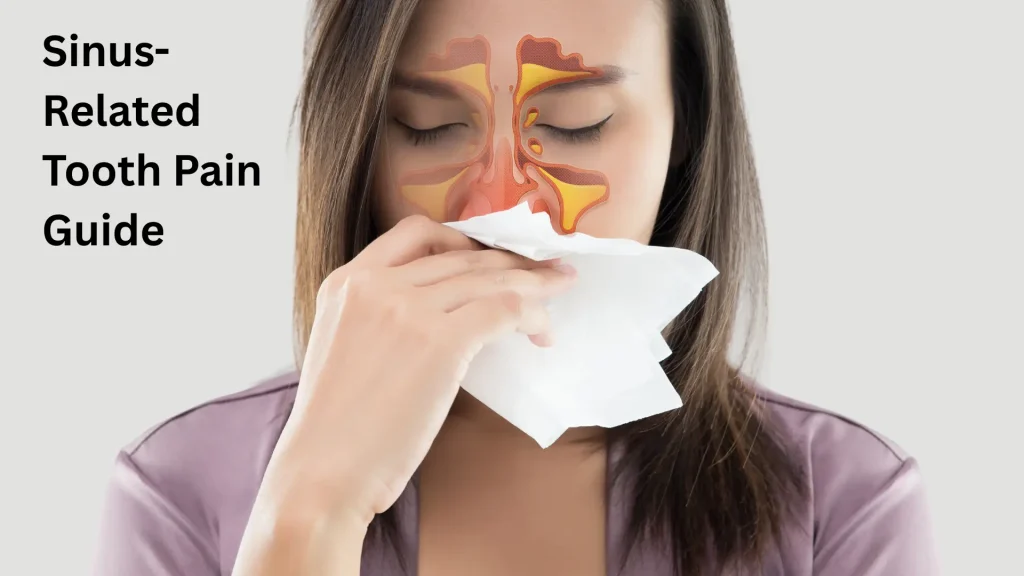
Can a Sinus Infection Cause Tooth Pain? Here’s What Our Dentists Have to Say:
Are you experiencing a mysterious toothache that worsens when you bend over or during Silver Spring’s notorious spring allergy season?
Surprise! That throbbing pain in your upper teeth might not be a dental problem at all – it could be just your air sinuses.
Did you know? Research shows that close to 30% of cases of unilateral maxillary sinusitis may have an underlying dental pathology. Failure to identify a dental cause on time leads to chronic sinusitis that’s much more difficult to treat.
If you’re experiencing tooth pain, determining whether it’s just a sinus-related discomfort is crucial for finding relief quickly. Our emergency dental care services are designed to provide rapid diagnosis and treatment, so you don’t suffer unnecessarily.
Maxillary Sinus Anatomy: The Hidden Culprit Above Your Molars
Your maxillary sinuses – the largest of the paranasal sinuses- are pyramidal and are located directly above your upper molars and premolars. They fill a large space in the maxillary bone that forms the upper jaw.
- Understanding the close relationship between your sinuses and teeth helps explain why sinus infections can cause tooth pain that feels remarkably similar to dental problems.
- The roots of these teeth often extend very close to, or even into, the sinus floor. This proximity creates a direct pathway for sinus pressure to affect the nerves that supply your upper teeth.
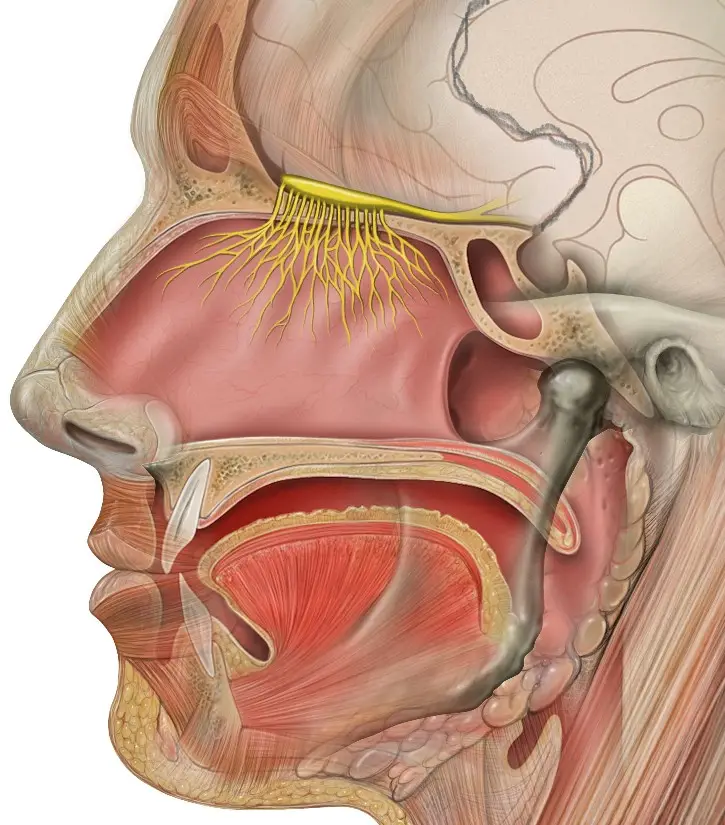
The trigeminal nerve (specifically its maxillary branch) provides sensation to both your upper teeth and your maxillary sinuses. When your sinuses become inflamed during an infection – this shared nerve pathway experiences pressure, which your brain can interpret as tooth pain.
Sinus- Tooth Pain: Infection Symptom Timeline
Recognizing how sinus infection symptoms progress can help you identify the cause of your tooth pain and seek appropriate treatment from your dentist.
Here’s a timeline of a typical sinus infection that can help you better understand your symptoms:
During the initial days of a sinus infection, you might experience:
- Mild pressure in your cheeks and forehead
- Slightly stuffy nose or nasal discharge
- Faint aching in upper teeth, especially when chewing
- Mild fatigue or headache
At this stage, the tooth pain is typically intermittent and may be easily mistaken for minor. dental sensitivity.
As the infection progresses:
- Tooth pain intensifies, particularly in upper molars
- Pain may affect multiple teeth simultaneously
- Facial pressure and congestion become more pronounced
- Headaches worsen, especially when bending forward
- Thick yellow or green nasal discharge may develop
This is when most patients become concerned enough to seek dental care, mistaking the sinus-related tooth pain for a dental emergency requiring emergency dental treatment.
If symptoms will persist beyond a week, you will start experience more severe pain:
- The tooth pain may become more localized
- Your sinus pressure will worsen
- Fatigue and discomfort persist
- You may develop a persistent fever
- Sleeping will become increasingly difficult
Pro Tip from Dr. Sidhu: “If your symptoms last beyond 6-7 days with worsening tooth pain, it’s crucial to get an emergency dental appointment. At this point, you might need both dental and medical attention, as chronic sinusitis can lead to complications and sometimes masks underlying dental issues.”
Warning Signs of Sinus Complications
Seek immediate medical attention if you experience any of these warning signs alongside your sinus and tooth pain:
- Severe headache that worsens despite treatment
- Mental confusion or changes in mental status
- High fever (above 101°F)
- Stiff neck
- Vision changes or eye swelling
- Severe facial swelling
These symptoms could indicate that your sinus infection has spread beyond the sinus cavities and requires urgent medical care, not just dental evaluation.
At Kraja and Sidhu Dental, our comprehensive exams include careful evaluation of symptoms that might indicate complications requiring medical referral. We prioritize your overall health, not just your dental needs.
Key Diagnostic Indicators: Is Your Toothache Actually Sinus-Related?
When tooth pain strikes, determining its true source can be challenging. Is it a dental emergency requiring immediate intervention, or is it sinus-related discomfort that needs a different approach?
The answer is crucial for devising a treatment that would work for you, and not against you:
How to Spot Sinus Pain vs. Dental Emergency?
| Symptom | Sinus-Related Tooth Pain | Dental Emergency |
| Pain Location | Multiple upper teeth (usually molars and premolars) | Typically localized to one tooth |
| Pain Character | Dull, pressure-like aching | Sharp, throbbing, or shooting |
| Affected by Position | Worsens when bending over or lying down | Generally constant regardless of position |
| Associated Symptoms | Nasal congestion, facial pressure, headache | Swelling, sensitivity to hot/cold, visible damage |
| Pain Timing | Often correlates with sinus congestion | Can occur suddenly at any time |
How Misdiagnosis Can Lead to Unnecessary Treatments
Mistaking sinus pain for a dental issue can lead to unnecessary and costly procedures. Often dentists can mistake a simple sinus-related pain as one of the more expensive treatments:
- Receiving root canal therapy on a healthy tooth
- Taking antibiotics that target the wrong type of infection
- Paying for other dental work that doesn’t address the underlying cause
At Kraja and Sidhu Dental in Silver Spring, our comprehensive dental exams include advanced diagnostic techniques (like iTero Scans) to distinguish between true dental emergencies and sinus-related symptoms, saving you time, money, and discomfort.
5 Definitive Ways to Distinguish Sinus Tooth Pain from Dental Emergencies
Confused about whether to call your dentist or head for sinus medication? Try these five simple checks to help figure it out.
Sinus pain typically affects multiple upper teeth at once, especially your molars and premolars on one or both sides. True dental problems usually zero in on just one tooth with laser-focused pain.
Quick check: Can you point to exactly one tooth that hurts, or does a whole section of your mouth feel uncomfortable?
Try this now: Bend forward for 30 seconds, then stand up straight. Sinus-related tooth pain usually gets worse when you bend over and better when you stand up. Dental problems don't care about your posture - they hurt consistently regardless of how you're positioned.
Sinus-related pain comes with a party of unwelcome guests: stuffy nose, face pressure, and headaches. Dental emergencies bring their own entourage: swollen gums around the painful tooth, sharp sensitivity to hot/cold, or visible damage.
What other symptoms are crashing your pain party? This clue helps our Silver Spring dental team determine the true source of your discomfort.
Press your finger gently against your cheek right next to your nose and under your eye. Feel a change in your tooth pain? That's a classic sign of sinus involvement. Dental issues usually don't react to this kind of external pressure.
Take a sip of something cold, then something warm (not hot enough to burn). Sinus pain generally doesn't change much with temperature changes. Dental problems, especially infections or exposed nerves, often cause immediate sharp pain with temperature changes - pain that might linger even after you stop drinking.
Beyond Teeth: Can Sinus Infections Impact Your Brain?
While most sinus infections resolve without complications, you need to understand potential serious consequences of untreated infections – particularly because of the proximity of your sinuses to your brain.
The Sinus-Brain Barrier Explained
Your sinuses are separated from your brain by thin bones and protective membranes. In rare cases, severe or untreated sinus infections can spread beyond these barriers, leading to more serious conditions affecting the brain or surrounding tissues.
The anatomical relationship is important to understand:
- The maxillary sinuses sit below the orbital floor
- The ethmoid sinuses are located between the eyes, very close to the brain
- The frontal sinuses are situated in the forehead, with only a thin bone separating them from the brain
- The sphenoid sinuses lie at the base of the skull, nearest to critical neurological structures
With most of your sinuses remaining so close to your brain – you could potentially start experiencing headaches, and even more severe complications.

Impaired Vision and Infected Sinuses: The Eye-Tooth Connection
Did you know your sinuses, teeth, and eyes are closer neighbors than you might think? This connection explains why sinus infections sometimes affect your vision and dental comfort at the same time.
Think of your eye socket (orbit) as the upstairs neighbor to your sinuses. When infection spreads upward, you might notice:
- Eye pain when you move your eyeball
- Puffiness or swelling around your eye
- Blurry or double vision
- Trouble opening your eye fully
These symptoms alongside tooth pain are red flags that need immediate attention – not just from your dentist, but possibly from an eye specialist too.
How Eye Pressure Can Mimic Tooth Pain
Your body’s pain messaging system can get confusing. The same nerve highway (trigeminal nerve) carries pain signals from your eyes, sinuses, AND teeth. When inflammation hits one area, your brain sometimes can’t tell exactly where the problem started.
It’s like getting a text message that says “there’s trouble in the neighborhood” without specifying which house – your brain knows something’s wrong but misidentifies the exact location.
Sinus Emergency Relief: 5 Home Remedies for Sinus-Related Pain
Need quick relief while waiting for your dental appointment? Try these proven home remedies to ease sinus-related tooth pain:
Gentle massage of specific facial pressure points can help relieve sinus congestion and that annoying tooth pain. Here's how:
- Frontal Sinus Points: Press your thumbs between your eyebrows and massage in small circles for 30 seconds
- Maxillary Sinus Points: Press your index fingers on either side of your nose, just under your cheekbones, and massage gently for 30 seconds
- Under-Eye Points: Using your index fingers, apply gentle pressure just under your eye sockets for 30 seconds
Repeat these massage techniques 3-4 times daily to help release pressure and reduce tooth pain.
Proper hydration thins mucus and helps your sinuses drain more effectively:
- Drink at least 8-10 glasses of water daily
- Time your hydration: drink more in the morning and early afternoon to prevent nighttime congestion
- Track your hydration: aim for light yellow urine as an indicator of proper hydration
Nasal irrigation helps flush out irritants and thin mucus to relieve sinus pressure:
- Prepare the solution: Mix 1 teaspoon of non-iodized salt with 1 pint of distilled or previously boiled water (cooled to lukewarm)
- Position properly: Lean over a sink with your head tilted to one side
- Irrigate gently: Use a neti pot or irrigation bottle to pour the solution into your upper nostril, allowing it to drain from the lower nostril
- Repeat on other side: Switch sides and repeat the process
- Clean equipment thoroughly: After each use to prevent contamination
Safety note: Always use distilled, sterile, or previously boiled water for sinus irrigation to avoid introducing harmful organisms.
Over-the-counter decongestant sprays can provide temporary relief from sinus congestion:
- Use as directed for no more than 3 consecutive days
- Overuse can lead to rebound congestion (worse symptoms when the medication wears off)
- For prolonged symptoms, switch to saline-only nasal sprays which can be used indefinitely
- Consider antihistamine nasal sprays during peak Silver Spring allergy seasons for extended use
Steam therapy helps moisten nasal passages and loosen congestion:
- Bowl method: Fill a large bowl with hot (not boiling) water, place your face over it with a towel covering your head, and breathe deeply for 5-10 minutes
- Shower technique: Run a hot shower and sit in the bathroom breathing the steam for 10-15 minutes
- Essential oil option: Add 1-2 drops of eucalyptus, peppermint, or tea tree oil to enhance the decongestant effect (avoid with young children)
- Ideal timing: Morning and evening sessions provide optimal relief
When to Call Your Dentist with Sinus-Related Problems?
While many cases of sinus-related tooth pain resolve with home remedies, certain symptoms indicate the need for professional dental evaluation:

Temperature Threshold Indicators
Seek dental care if you experience:
- Fever above 101°F (38.3°C) accompanying tooth pain
- Severe chills with dental discomfort
- Alternating hot and cold sensations
Pain Intensity Scaling System
Rate your pain on a scale of 1-10:
- 1-3: Mild discomfort, likely manageable with home remedies
- 4-6: Moderate pain requiring professional evaluation within 24-48 hours
- 7-10: Severe pain needing same-day emergency dental care
- Our Silver Spring emergency dental services are available for severe situations.
Neurological Warning Signs
Contact an emergency dentist immediately if tooth pain is accompanied by:
- Numbness or tingling in the face
- Muscle weakness or facial drooping
- Confusion or disorientation
- Severe or unusual headache
Vision Changes Requiring Urgent Care
Seek immediate medical attention for:
- Double vision or blurred vision with tooth pain
- Eye swelling or pain alongside dental discomfort
- Inability to move your eye normally
- Light sensitivity with eye pain and tooth pain
Recent research from the University of Washington shows that chronic sinus inflammation can actually affect brain activity, which might explain why patients with sinusitis often report difficulty concentrating and other cognitive symptoms alongside their physical discomfort.
The 5-Minute Sinus Pain Checklist: When Should You Visit a Dentist?
Let’s get hands-on with figuring out your pain. Take 5 minutes to answer these questions honestly:
- Multiple teeth hurting? Does the pain affect several upper teeth rather than just one tooth?
□ Yes (points to sinus) □ No (points to dental) - Position matters? Does your pain get worse when bending over or lying down?
□ Yes (points to sinus) □ No (points to dental) - Stuffy or runny nose? Do you have nasal congestion, stuffiness, or discharge?
□ Yes (points to sinus) □ No (points to dental) - Recent cold or allergies? Have you been sniffling or sneezing lately?
□ Yes (points to sinus) □ No (points to dental) - Cheek pressure test: Does pressing on your cheeks near your nose change the pain?
□ Yes (points to sinus) □ No (points to dental)
Score yourself: 3 or more “Yes” answers suggest sinus-related pain. Fewer “Yes” answers point toward a dental issue.
Disclaimer: this checklist isn’t a replacement for professional care. It’s just a helpful starting point while you arrange your visit to Kraja and Sidhu Dental for a proper diagnosis. Need a same-day evaluation? Our emergency dental services in Silver Spring are designed for urgent situations just like this.
Sinus Infection and Tooth Pain: Answers to Our Patients’ Questions
Yes, sinus infections can definitely cause tooth pain. According to research, more than 30 million Americans experience sinus infections annually, and tooth pain is a common symptom. This happens because the roots of your upper molars are positioned very close to the maxillary sinuses, which are located behind your cheekbones. When these sinuses become inflamed during an infection, the resulting pressure can irritate the nerves connected to your teeth, causing pain that mimics a toothache.
You can identify sinus-related tooth pain through several key indicators:
- The pain typically affects multiple upper teeth simultaneously, rather than a single tooth
- Pain intensifies when you bend over, lie down, or change head positions
- The discomfort feels like a generalized pressure or dull ache rather than the sharp, localized pain typical of dental problems
- You'll likely experience accompanying symptoms such as nasal congestion, facial pressure, headaches, or post-nasal drip
- The pain affects primarily the upper molars or back teeth (rarely front teeth)
- Symptoms may worsen at night or during seasonal allergy periods
According to studies, most sinus infections and their associated tooth pain resolve on their own within 7-10 days. However, if the sinus infection is bacterial rather than viral, symptoms may persist longer. Tooth pain should gradually decrease as the sinus inflammation subsides. If pain continues beyond 7-10 days, worsens significantly, or is accompanied by high fever or severe symptoms, contact your dentist.
While sinus infections primarily affect the upper teeth due to their proximity to the maxillary sinuses, in some cases, the pain can radiate to the lower teeth. This phenomenon is called referred pain, where discomfort spreads from its original source to another location. However, if you're experiencing pain exclusively in your lower teeth without upper tooth involvement, it's less likely to be sinus-related and more likely indicates a dental issue requiring evaluation by a dentist.
Effective treatments for sinus-related tooth pain focus on addressing the underlying sinus inflammation:
- Over-the-counter pain relievers like ibuprofen or aspirin to reduce inflammation and discomfort
- Decongestant medications to reduce sinus pressure (limiting use to 3 days to prevent rebound congestion)
- Saline nasal irrigation using a neti pot or irrigation bottle to flush irritants and thin mucus
- Steam inhalation to moisten nasal passages and loosen congestion
- Staying well-hydrated to thin mucus secretions
- Sleeping with your head elevated to prevent fluid buildup
- Warm compresses applied to the face to ease sinus pressure
- Humming, which can help vibrate and loosen mucus in nasal passages
- Expectorants to help drain mucus from sinuses
For persistent or severe infections, your doctor might prescribe antibiotics if the infection appears bacterial rather than viral.